Normalize Breastfeeding
Breastfeeding is one of the most natural things a mother can do — yet we still need to remind the world that feeding your baby, however and wherever you need to, is completely normal.
Quick answer
Normalizing breastfeeding means shifting cultural attitudes so nursing is treated as the normal, healthy way to feed a baby — without shame, stares, or having to hide. It isn't about criticizing formula feeding; it's about removing the extra obstacles breastfeeding mothers still face.
What Does "Normalize Breastfeeding" Mean?
"Normalize breastfeeding" is more than a hashtag. It's a movement to shift cultural attitudes so that breastfeeding is seen as what it truly is: a normal, healthy, and natural way to feed a baby.
The goal isn't to shame mothers who formula feed or to suggest breastfeeding is the only valid choice. It's about creating a world where mothers whodo breastfeed can do so without shame, judgment, or having to hide.
Normalizing breastfeeding means:
- Nursing in public without stares or comments — feeding your baby when they're hungry, wherever you happen to be
- Seeing breastfeeding represented in media — in ads, TV shows, movies, and social media, just like bottle-feeding is
- Workplaces that support pumping mothers — with adequate break time and private spaces
- Healthcare providers who are knowledgeable — offering real support, not just pressure or dismissal
- Communities that celebrate nursing mothers — rather than asking them to cover up or go somewhere else
In short, normalizing breastfeeding means treating it as the everyday, unremarkable act it should be — not something to hide, debate, or apologize for.
Why Breastfeeding Still Needs Normalizing
Despite being the biological norm for infant feeding, breastfeeding mothers still face surprising challenges in 2026.
Public Shaming Still Happens
Mothers are still asked to leave restaurants, cover up at pools, or move to bathrooms to feed their babies. In 2026. Despite laws protecting the right to breastfeed in public in most countries.
Social Media Censorship
Breastfeeding photos are still flagged and removed from social media platforms — while sexualized images remain. This sends the message that feeding a baby is somehow inappropriate.
Inadequate Workplace Support
Many workplaces still lack proper pumping rooms or adequate break time. Mothers are forced to pump in bathrooms, closets, or their cars — or give up breastfeeding entirely when they return to work.
Family and Cultural Pressure
Well-meaning relatives sometimes pressure mothers to wean early, switch to formula, or cover up. Cultural attitudes about modesty can make breastfeeding feel shameful rather than natural.
Lack of Education
Many people simply haven't been exposed to breastfeeding. Without seeing it growing up or in media, nursing can seem foreign or uncomfortable — perpetuating the cycle of stigma.
Formula Marketing
Formula companies spend billions on marketing, while breastfeeding has no equivalent advertising budget. This imbalance shapes public perception about what's "normal" infant feeding.
Your Rights as a Breastfeeding Mother
In most countries and all 50 US states, you have the legal right to breastfeed in any public or private location where you're otherwise authorized to be. Here's what that means:
You Have the Right To:
- 1.Breastfeed in public — restaurants, stores, parks, public transit, anywhere you're allowed to be
- 2.Refuse to cover up — no law requires you to use a cover or blanket
- 3.Stay where you are — you cannot be asked to move to a bathroom, back room, or your car
- 4.Pump at work — employers must provide reasonable break time and a private space (not a bathroom)
- 5.Be exempt from jury duty — in many jurisdictions, breastfeeding mothers can defer
If someone asks you to stop breastfeeding, cover up, or move to a different location, you can politely inform them of your legal rights. Many advocacy organizations offer cards you can carry that explain breastfeeding laws.
Remember: you are not doing anything wrong by feeding your baby. The discomfort others may feel is their issue to work through — not yours.
Why Normalization Matters for Everyone
When breastfeeding is normalized, the benefits extend far beyond individual mothers.
1Higher Breastfeeding Rates
When mothers see others breastfeeding openly, they're more likely to try it themselves and stick with it through challenges. Visibility breeds confidence. A mother who has never seen breastfeeding may feel lost when she becomes a parent, while one who grew up seeing it treated as normal has a mental model to follow.
2Better Support Systems
When breastfeeding is normalized, partners, family members, and employers understand its importance and are more likely to offer support. A partner who has seen breastfeeding as normal won't suggest "just giving a bottle" at the first sign of difficulty. An employer who views pumping as routine will create better policies.
3Improved Public Health
Breastfeeding has well-documented health benefits for both babies and mothers. When cultural barriers are removed and breastfeeding rates increase, public health improves. Lower rates of infant illness, reduced risk of certain cancers for mothers, and decreased healthcare costs benefit everyone.
4Reduced Stigma and Shame
Many mothers describe feeling embarrassed, anxious, or ashamed when breastfeeding — even in private. Normalization helps mothers feel proud of what their bodies can do rather than ashamed. Mental health improves when basic biological functions aren't treated as shameful.
5Healthier Attitudes for Future Generations
Children who grow up seeing breastfeeding as normal will become adults who view it as normal. Boys who see their siblings breastfed become supportive partners. Girls who see nursing as routine don't feel shame when their turn comes. Each generation of normalization makes the next one easier.
How You Can Help Normalize Breastfeeding
Whether you're currently nursing, have in the past, or simply support the cause — here's how you can make a difference.
Breastfeed Openly
The most powerful thing you can do is simply nurse your baby when and where they need to eat. Every time someone sees a mother breastfeeding calmly in public, it becomes a little more normal. You don't have to make a statement — just feed your baby.
Share Your Story
Talk about your breastfeeding experience with friends, family, and online. Share the challenges and the beautiful moments. When mothers speak openly about nursing, it creates space for others to do the same.
Post Your Brelfies
Breastfeeding photos on social media help normalize nursing in a space where it's often censored or sexualized. A beautiful Tree of Life photo can spark conversations and inspire other mothers. Use hashtags like #normalizebreastfeeding and #brelfie.
Support Other Mothers
When you see a mother nursing in public, offer a smile of solidarity. If you hear someone making negative comments, speak up. Support breastfeeding-friendly businesses and policies in your community.
Educate Gently
When friends or family members express discomfort with breastfeeding, engage in gentle conversation. Share information about breastfeeding rights and benefits. Often, discomfort stems from unfamiliarity rather than malice.
Advocate for Change
Support legislation that protects breastfeeding rights. Advocate for better workplace pumping policies. Push for breastfeeding-friendly spaces in your community. Systemic change requires voices demanding it.
The Power of Breastfeeding Images
Visual representation matters. When we see something regularly, it becomes normal.
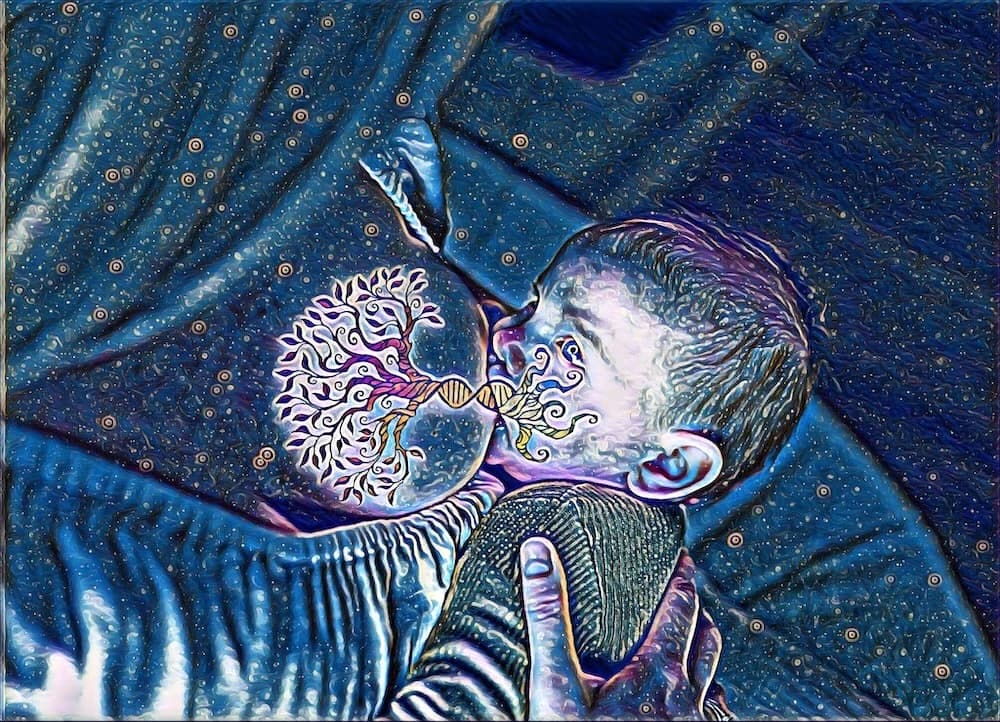
This is why breastfeeding photos — brelfies — are so important to the normalization movement. Every image shared is a small act of activism.
Tree of Life photos take this a step further, transforming nursing moments into art. They celebrate breastfeeding as something beautiful rather than something to hide. When these images go viral, they reach people who may never have seen breastfeeding portrayed positively.
The tree overlay adds symbolism — life flowing from mother to child, roots and branches connecting two beings. It reframes breastfeeding from "controversial" to "artistic" in the minds of those who see it.
Your Tree of Life photo isn't just a keepsake. It's a small contribution to changing how the world sees breastfeeding.
Common Misconceptions About Breastfeeding
Myth:"Breastfeeding in public is indecent"
Reality: Feeding a baby is not a sexual act. Breasts have a biological purpose beyond aesthetics, and using them for that purpose is the opposite of indecent. In most places, it's also legally protected. The discomfort some people feel is cultural conditioning, not a reflection of anything inappropriate happening.
Myth:"Mothers should cover up or use a nursing room"
Reality: Many babies refuse to nurse under covers. Nursing rooms aren't always available, clean, or convenient. Asking mothers to hide implies there's something shameful happening. While some mothers prefer privacy, it should always be their choice — not a requirement.
Myth:"Formula is just as good, so why make a big deal about breastfeeding?"
Reality: This isn't about formula vs. breastfeeding. Normalizing breastfeeding doesn't mean shaming formula feeding. It means supporting mothers who want to breastfeed but face barriers. Both choices are valid. The issue is that breastfeeding shouldn't require extra courage or face extra obstacles.
Myth:"Breastfeeding past infancy is weird"
Reality: The World Health Organization recommends breastfeeding up to age 2 or beyond. Extended breastfeeding is normal in many cultures. The benefits don't suddenly disappear at 6 or 12 months. What feels "weird" in one culture is completely normal in another.
Myth:"I shouldn't have to see that"
Reality: In public spaces, we're all exposed to things we might not choose. You can look away. A baby, however, cannot wait to eat because someone is uncomfortable. The brief moment of a mother lifting her shirt to feed her hungry baby is far less disruptive than a screaming, hungry baby.
A Note on Inclusive Normalization
When we talk about normalizing breastfeeding, it's important to be inclusive. The movement should embrace:
- All feeding methods — pumping, nursing, combo feeding. A mother pumping in her car deserves the same support as one nursing in a cafe.
- All body types — normalization means showing diverse bodies breastfeeding, not just one idealized image.
- All family structures — adoptive parents who induce lactation, same-sex couples, single parents, grandparents.
- All journeys — whether you breastfed for two days or two years, your experience is valid and part of the conversation.
Normalizing breastfeeding means making space for everyone's story — not just the ones that look like magazine covers.
FAQ
Frequently asked questions
What does "normalize breastfeeding" mean?
Normalizing breastfeeding means shifting cultural attitudes so nursing is treated as the normal, healthy way to feed a baby — without shame, stares, or having to hide. It isn't about criticizing formula feeding; it's about removing the extra obstacles breastfeeding mothers still face.
Is it legal to breastfeed in public?
Yes. In all 50 US states and most countries, mothers have the legal right to breastfeed in any public or private place they are otherwise allowed to be. No law requires you to cover up or move to a bathroom or back room.
How can I help normalize breastfeeding?
Breastfeed openly when your baby is hungry, share your story, post your brelfies with hashtags like #normalizebreastfeeding, support nursing moms with a smile of solidarity, and advocate for better public and workplace policies.
How do breastfeeding photos help the movement?
Visual representation matters — the more people see nursing portrayed positively, the more normal it becomes. Tree of Life brelfies reframe breastfeeding as art, helping images reach people who may never have seen breastfeeding shown in a positive light.
Be Part of the Movement
Create a beautiful Tree of Life photo and share it with the world. Every image helps normalize breastfeeding for the next generation of mothers.
Create Your Photo FreeNo app download. No account needed. No watermarks.
Share with #normalizebreastfeeding #brelfie #treeoflife #breastfeedingawareness